
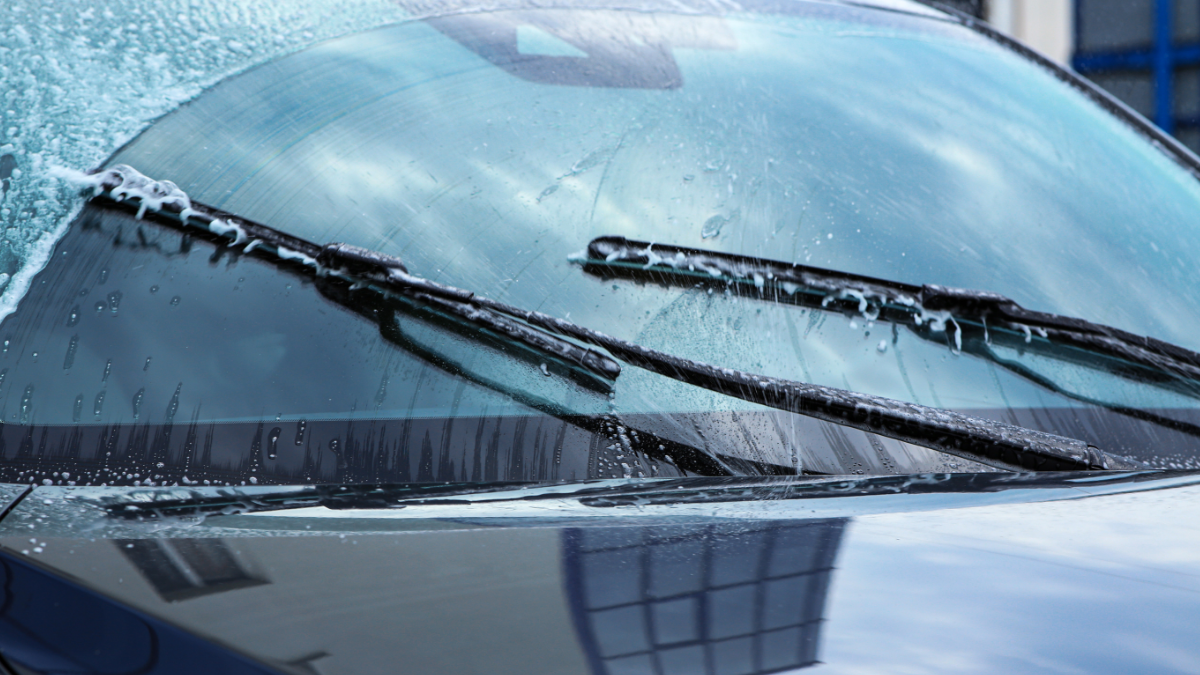
No matter the season, the classic British downpour can strike at any time. More than anywhere else in the world, functioning wipers are essential for safety on UK roads.
A worrying poll found from Halfords found that 6.5 million motorists in the UK are driving with faulty wiper blades. While it may seem like an avoidable expense, damaged wipers can land you in big trouble! Consider fines in the region of £2,500!
Beyond harming your wallet, faulty blades threaten your safety behind the wheel. According to Direct Line, 90% of poor weather-related car accidents were caused by rain. While part of the blame stems from water on the road – creating dangers such as aquaplaning – poor vision from faulty wipers are equally important.
Read on to answer all your wiper-related questions, from selecting the right size to making them last longer.
What Size Wiper Blades Do You Need?
Wiper blade sizes are specific to each car model. With car models ranging from compact Mini Coopers to all-terrain Land Rovers, different wiper blades are required for various windshield shapes.
Using the wrong size wiper blades is a bigger deal than many drivers realise. Small blades can lead to incomplete windshield coverage, reduced visibility, and potential damage to the windshield.
How to Find the Right Size:
- Check your car’s manual for the exact size requirements.
- Use online tools like Wiper Blades. Simply input your car’s registration or make, model, and year to get an instant recommendation.
- Crack out the tape and manually measure your existing wipers.
Pro Tip: If the exact size isn’t available, choose a size within 1 inch of the original. For example, a 16” wiper can often replace a 17” blade.
Don’t let faulty wipers ruin your visibility. Trust Service Select for quality car care that keeps you safe on the road.
Signs Your Wiper Blades Need Replacing
Don’t wait until your MOT fails! Wiper blades don’t last forever – don’t risk your safety to save a few pounds. Here are the telltale signs that your blades need attention:
- Windscreen Streaks: If your wipers leave streaks, it’s likely the blade’s rubber has worn down. Streaks can compromise your view, especially when handling glare from oncoming headlights during night time driving.
- Noise While Used: A screeching sound occurs when the rubber blade has hardened. Prolonged exposure to the elements hardens rubber, leaving it less flexible.
- Visible Cracks: Constant batterings from extreme weather causes your blades’ rubber to dry out and crack. If you feel bumps while running your finger across the edge, it’s likely a tear.
How to Replace Wiper Blades
Replacing your car’s wiper blades is a simple fix for motorists. By swapping out damaged blades, you can drive with peace of mind during rainy or snowy conditions.
Here’s a simple four-step guide:
- Lift the Wiper Arm: Gently pull the wiper arm away from the windscreen until it stands upright.
- Release the Old Blade: Most blades have a clip or button mechanism. Press or slide it to release the old blade.
- Attach the New Blade: Align the new blade with the arm and secure it until it clicks.
- Test the Blades: Before hitting the road, test the new blades by spraying water and activating the wipers.
If you find yourself stuck, don’t fret! Professionals can fit on the blades without damaging your motor.
Keep your wipers in top condition with Service Select! Book your next service today to ensure your car is road-ready, rain or shine.
How to Make Wiper Blades Last Longer
Wiper blades are a refreshingly cheap part of car maintenance! But to make your pound stretch, you can extend the typical lifespan of 1-2 years. Here’s how:
Protect Against Weather Damage
Summer Tips:
- Avoid Sun: Intense UV rays degrade the rubber on your wipers, causing cracks. When possible, park your car in shaded areas or use a sunshade.
- Clean Off Pollen: Summer debris can stick to your windscreen and wipers, creating extra wear. Regular cleaning is key to safety.
Winter Tips:
- Use A Frost Shield: Ice sticking to your blades can make them brittle. A frost shield saves you from scraping ice while also protects your wipers.
- Avoid Using Wipers On Frozen Glass: Operating your wipers over an icy windscreen can tear the rubber. Instead, fully defrost your windscreen before engaging them.
Keep The Wipers Clean
As explained before, dirt and debris are rubber killers. The traditional method of elbow grease remains a fine way to protect your blades. Using a soft cloth soaked in warm water, you can remove the dirt by hand. Remember to avoid using dish soap as it can drip onto your paintwork and erode the protective layer!
While cleaning your wipers, it’s the perfect time to check for uninvited guests. Look out for small stones, twigs, or leaves that might get caught and damage the blades or windscreen.
Wiper blade care is just the beginning. Apply for a quick, no-obligation quote with Service Select to keep every part of your car in top condition!
How much do new wiper blades cost?
Prices vary by brand and size. A standard set for a popular car like a Nissan Qashqai starts at around £13.
Can I use silicone wipers instead of rubber ones?
Yes, silicone wipers are more durable, but they tend to cost more. A budget-friendly alternative is using a rain-repellent product for similar longevity.
Are rear wiper blades different from front ones?
Yes, rear blades are typically smaller and require specific fittings. Always check your manual or use an online finder tool.