
A brake fluid change is crucial for maintaining safe and effective braking, preventing issues like brake fade, corrosion, and potential brake failure by replacing old fluid with fresh solution.
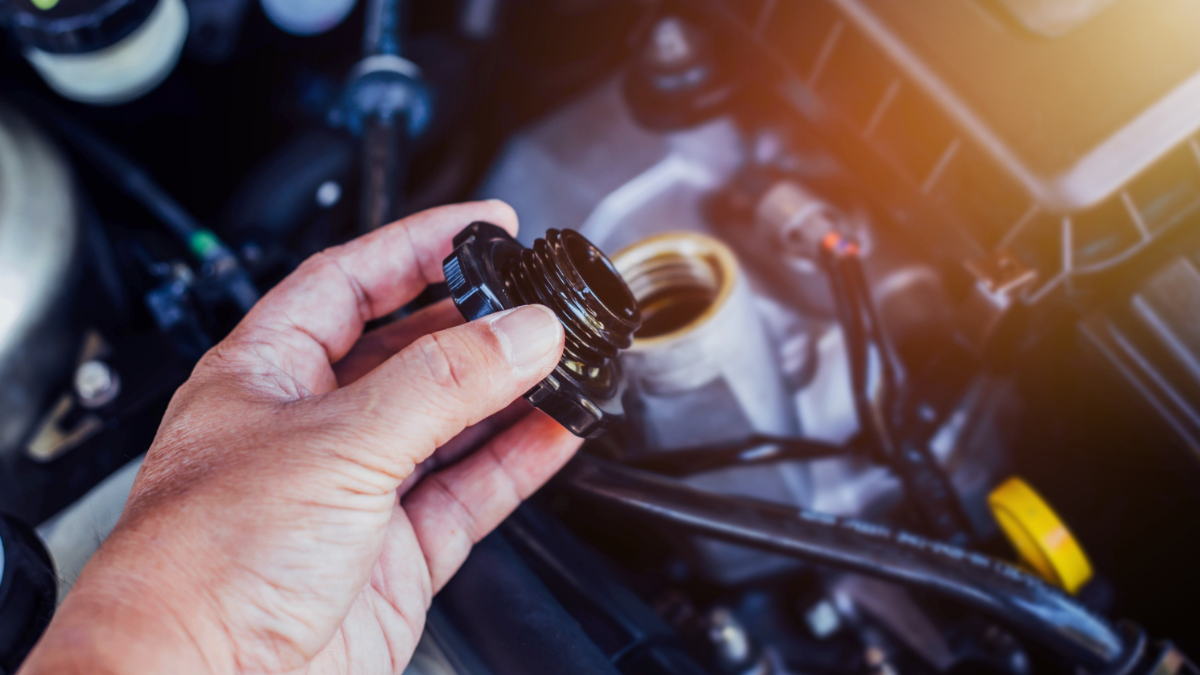
Regular brake fluid changes are essential for healthy car maintenance. Clean brake fluid ensures optimal braking performance and safety on the road, as well as prolonging its life.
Don’t believe us?
Recent statistics from the Department for Transport (DfT) revealed that defective brakes were a factor in 5,820 accidents across the UK between 2014 and 2023.
| Year | Accidents Caused By Defective Brakes |
| 2014 | 727 |
| 2015 | 688 |
| 2016 | 646 |
| 2017 | 570 |
| 2018 | 521 |
| 2019 | 517 |
| 2020 | 470 |
| 2021 | 558 |
| 2022 | 570 |
| 2023 | 553 |
Thankfully, there has been a 24% decrease in brake-related accidents over the past decade. The fact that more than 500 accidents still occur annually, however, is a stark reminder to stay on top of brake maintenance.
Understanding your brake fluid and when to replace it is a simple yet critical step to avoid becoming part of these statistics.
Read on to discover everything you need to know about brake fluids, their role in vehicle safety, and when it’s time for a change.
What Is Brake Fluid?
Brake fluid is a liquid used in your car’s braking and clutch systems. When you press the brake pedal, the fluid helps amplify the force and transfers it to the brake components.
But brake fluid isn’t just about transferring power. It also:
- Resists heat: Braking generates a lot of heat. As a result, brake fluid has a high boiling point to work properly.
- Prevents corrosion: It protects metal components within the braking system.
Most vehicles use glycol-based fluids (like DOT 3 or DOT 4), though some require silicone-based fluids like DOT 5. Always check your owner’s manual to make sure you’re using the right type for your car.
What Is a Brake Fluid Change?
A brake fluid change simply involves removing old brake fluid and replacing it with fresh fluid. The process involves more than just a ‘top-up’, however.
A full brake fluid change eliminates any moisture or debris that can compromise your braking system.
Why Do You Need to Change Brake Fluid?
Over time, brake fluid absorbs moisture from the air. The changes to the fluid’s chemical make-up lowers its boiling point, which can cause a range of issues:
- Brake fade: Braking generates a lot of heat. When brake fluid boils, it turns into gas bubbles inside the brake lines. As gas is compressible, it squeezes when pressure is applied, meaning less force is applied to the brake pads. The resulting unresponsive brakes – aka ‘brake fade’ – means you lose braking effectiveness.
- Corrosion: Brake fluid is hygroscopic, meaning it absorbs water from the air over time. This is bad news for you , as moisture in the brake fluid causes rust and corrosion. This not only weakens the system but can also result in costly repairs.
- Brake failure: If the fluid becomes too contaminated, it can compromise the hydraulic pressure needed to operate the brakes. This can lead to total brake failure, leaving you exposed to dangerous situations.
How Does A Brake Fluid Change Work?
Whether you’re looking to perform the change yourself, or entrusting a professional, it’s wise to understand the process.
Please be aware that mistakes during a DIY change can be dangerous for you and your motor. For peace of mind, book a professional service with trusted mechanics - or personalised car coverage packages provided by Service Select
- Open the bonnet and locate the brake fluid reservoir.
You will typically find the brake fluid reservoir near the back of the engine bay. It’s immediately obvious as the only clear plastic container with a cap.
Before opening the cap, inspect the surrounding components for any leaks or damage.
- Remove the old fluid using a siphon or transfer pump.
Remove the old, contaminated fluid from the reservoir with a siphon or pump. You could even use a turkey baster! All the fluid must be removed to ensure all moisture or debris is eliminated.
If the fluid is especially dirty, you may need to flush the system thoroughly for a proper cleanse.
- Refill the reservoir with clean, manufacturer-approved fluid.
Once emptied, it’s time to refill the brake fluid reservoir with clean brake fluid.
It must be manufacturer-approved to ensure it’s compatible with your car’s braking system. Don’t cheap out – incorrect fluids may have incorrect boiling point and allow corrosion.
As brake fluid comes in different formulations (e.g. DOT 3, DOT 4, DOT 5), make sure to confirm the correct type in your owner’s manual.
- Bleed the brakes to remove any air bubbles and ensure optimal performance.
Bleeding the brakes removes any air bubbles that entered during the fluid change. This air can cause spongy brakes, making it a nightmare to stop your vehicle.
Bleeding is a simple process that involves opening the bleed valve on each brake caliper. This allows fluid to flow out while pushing the brake pedal.
As the air escapes, observe the fluid to make sure it’s flowing clean and free of bubbles.
Final Words
Brake fluid changes aren’t car maintenance that you can skimp on – it directly impacts your safety on the road! Whether it’s ensuring responsive braking or preventing costly repairs, fresh fluid is non-negotiable.
Don’t leave your safety to chance – keep your car covered Service Select! Our customisable car service packages ensure that your car is always road-ready and reliable.
How Do I Know If My Car Needs A Brake Fluid Change?
If you these warning signs, it’s time for a brake fluid change:
- Spongy brake pedal: This likely indicates air in the brake lines or that your fluid has gone bad.
- Discoloured fluid: Fresh brake fluid is clear or light amber. If it’s dark brown or black, it’s contaminated.
- Reduced braking performance: If your car takes longer to stop, brake fluid could be the culprit.
- Low brake fluid levels: If the fluid level is more than half an inch below the maximum line, get it checked.
How Much Does A Brake Fluid Change Cost?
A brake fluid change typically costs between £50 and £100 in the UK. The price can vary depending on:
- The type of vehicle (larger or premium cars cost more)
- The quality of the brake fluid used (DOT 4 costs around £8 per litre, while DOT 5 costs £12 per litre)
- Whether any additional repairs are needed
How Often Should You Change Your Brake Fluid?
Most manufacturers recommend changing brake fluid every two years or 24,000 miles, whichever comes first. However, the ideal timing can vary based on:
- Driving habits: Frequent braking in stop-and-go city traffic can cause fluid to degrade faster.
- Environmental conditions: Humid climates cause fluid to absorb moisture faster, speeding up deterioration.
- Brake fluid type: Higher-quality fluids last longer.
How Long Does A Brake Fluid Change Take?
A brake fluid change usually takes around 30 minutes to an hour. Exact timings depend on your car’s type and the condition of its braking system.
Is A Brake Fluid Change Part Of An Mot?
No, brake fluid changes are not part of the MOT.