
Learn how to budget for routine car maintenance with this complete guide. Save money, prevent costly repairs, and keep your car running smoothly
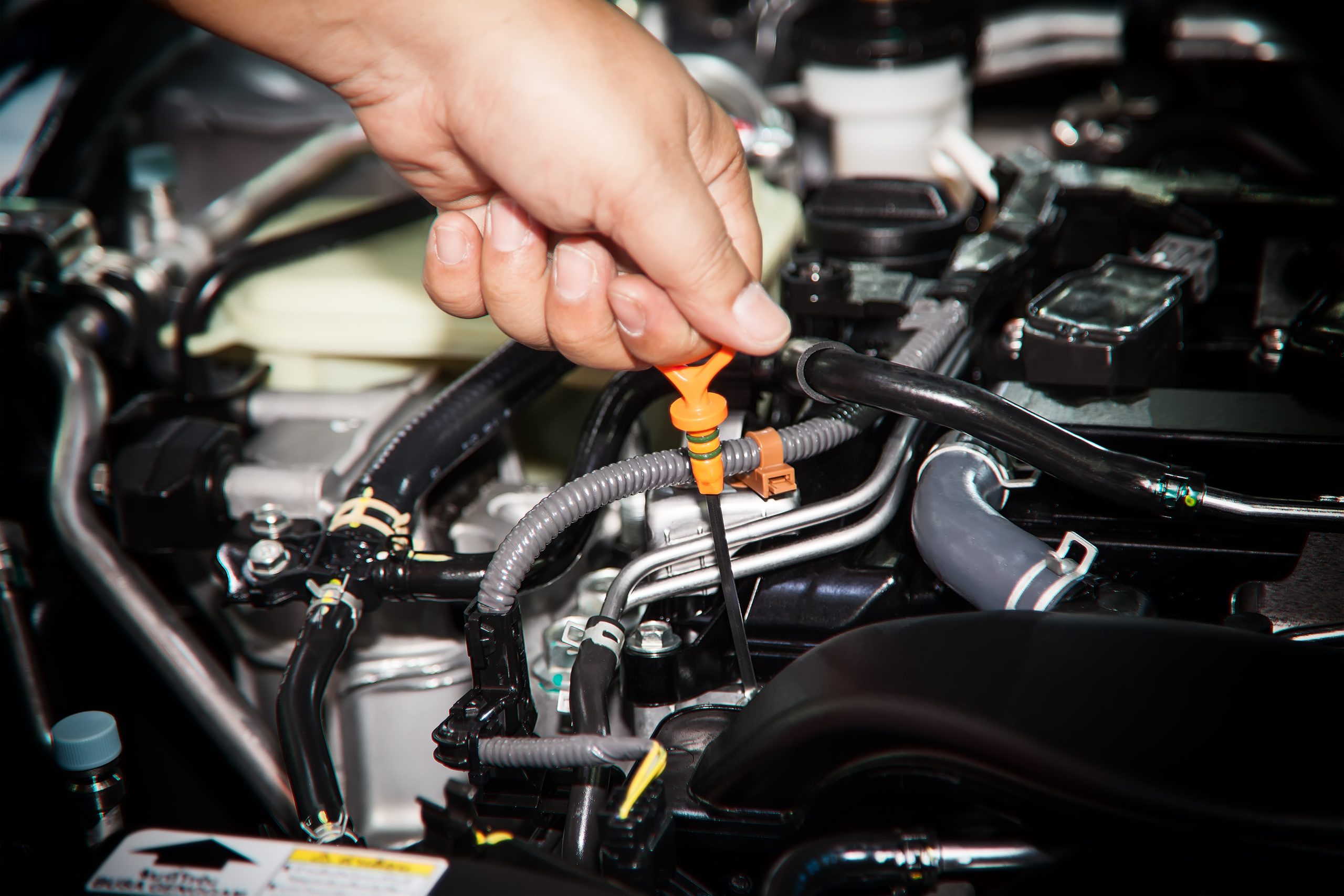
Owning a car comes with the responsibility of keeping it in roadworthy condition. This is important for your safety, as well as for keeping the vehicle on the road as long as possible. An integral aspect of looking after your car is regular maintenance. This includes things you can do yourself, like keeping track of tire pressure and coolant levels, as well as professional servicing.
The cost of car maintenance can quickly add up if you aren’t prepared. This is true for experienced road users as well as first time drivers. Keeping on top of what your car needs is one of the most important parts of driving, and this guide illustrates all the ways you can stay one step ahead.
It is entirely possible to budget for car servicing without a plan, but it needn’t be so complicated. One way of planning for essential maintenance is through investing in a car servicing plan. This provides your car with the maintenance it needs at a fair cost.
Understanding Routine Car Maintenance
As a driver, take some time to get to know your car and the routine maintenance it will require. You can do this easily by referring to your owner’s manual, which provides all the manufacturer’s recommendations for keeping your car in great condition.
It can help to understand what basic maintenance terminology means. Try researching topics like:
- Oil Changes
- Tire Rotations
- Brake Inspections
- Filter Replacements
- Battery Replacement
These are things you should generally leave to the professionals. However, knowing the kind of things you can expect from a service can help to understand the costs you will incur.
Types of Servicing
Car servicing falls into three categories: interim, full, and major. Each type of service is tailored to different needs, based on your car and the kind of driving you do. Knowing what kind of servicing you need can help you to ensure you’re prepared for the cost.
An interim service is perfect if you travel less than 12,000 miles a year in your car. This usually means you drive short distances, around town or on a short commute. While this service is less comprehensive than a full or major service, it still checks all the essential parts of your car.
A full service should be an annual part of your car maintenance, including a thorough inspection of the vehicle. It is normal to replace certain parts of your car, in order to ensure the lifespan of the vehicle as a whole.
A major service offers all the comprehensive aspects of a full service. Additionally, you can expect the replacement of essential items like the filters and brake fluid to ensure the smooth running of the vehicle.
Create A Maintenance Fund
When you know what kind of servicing your car needs, it gets easier to set aside money for this purpose. Calculating the expected cost and dividing it by 12 is a great way to save the right amount each month. Most banks offer savings pots, which can be helpful for separating a specific amount of money for jobs like these.
It is also wise to have an emergency buffer fund, which you can use to cover any unexpected costs, like parts replacement, when it comes time for your service.
Service Plans: The Best Value For Car Maintenance
There are many reasons to consider a car service plan when budgeting for maintenance costs. Primarily, a service plan can save you money in the long term. The fixed price of a service plan means you won’t end up paying more as prices increase, and it spreads the cost into convenient monthly payments. This gives you peace of mind about your car, while also saving you the worry of budgeting for a large one-off servicing payment.
The benefits of service plans include:
- Cost Predictability: knowing the cost of routine maintenance means you can avoid unexpected price rises and cost inflation
- Convenience: scheduled services help you by providing your car with the right servicing at the right time
- Comprehensive Packages: service plans can be tailored to your individual needs, making them the smart choice for getting the correct service for your car
What To Consider When Choosing A Service Plan
While service plans are altogether the most cost-effective and practical choice for car servicing, you might still need to pay for unexpected repairs to keep your car in good working order. You should consider these factors when considering a service plan:
- Coverage Details: understand what’s included in your service to ensure it offers what you need. This includes checking any mileage limits the service plan might have.
- Emergency Funds: even if you have a service plan, it is wise to budget for unexpected expenses that you might need to pay out of pocket.
- Flexibility: Ensure your service plan allows you to use convenient, authorised service centres that work for you.
Final Thoughts
Budgeting for car maintenance is an essential part of being a car owner. It is the best way to protect your investment and ensure your car gets the care it needs. Planning ahead helps you manage costs and understand where your money is going.
A service plan is a smart way of protecting your car without breaking the bank. This lets you get ahead on servicing for years to come, so you can factor it into your budget and be prepared.
Want to take the hassle out of routine car servicing with a vehicle service plan? Get a free quote form us today.
What Is Included In Major Service
- Comprehensive maintenance every two years
- Includes everything in a full service
- Replaces additional items like the cabin filter and brake fluid
What Is Included In A Bespoke Service
- Specialised care for electric and hybrid cars
- Tailored to meet the unique needs of these vehicles
Why Regular Car Maintenance is Essential
- Extend Your Car’s Lifespan – Routine upkeep prevents major damage and keeps your vehicle running longer.
- Stay Safe on the Road – Well-maintained brakes, tires, and other critical systems reduce the risk of accidents.
- Improve Performance – A properly serviced car handles better and runs more efficiently.
- Save on Costly Repairs – Catching small issues early prevents expensive breakdowns.
- Boost Resale Value – A well-maintained car is more attractive to buyers and retains value.
- Increase Fuel Efficiency – Regular tune-ups help maximize gas mileage and save money.
- Reduce the Risk of Breakdowns – Avoid unexpected car troubles and roadside emergencies.
- Drive with Confidence – Knowing your car is in top shape gives you peace of mind.
- Protect Your Warranty – Keeping up with maintenance ensures your manufacturer’s warranty remains valid.