
Regular car maintenance is crucial to ensure safety and optimal performance, especially during winter months
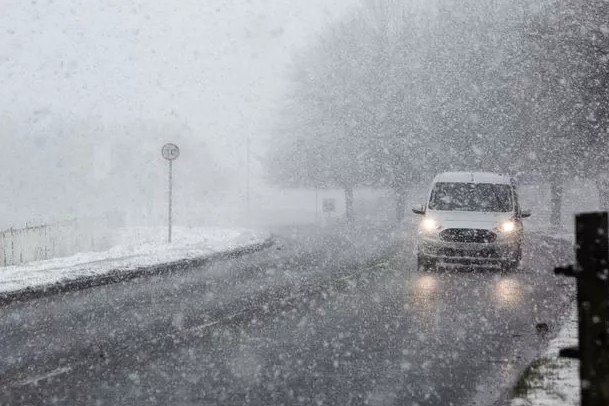
One of the biggest challenges of living in the UK is our unpredictable weather patterns. Within a year, it’s likely that we will face heavy rain, snow, frost, and even the occasional heatwave. While it is easy to protect yourself from challenging weather with a coat or umbrella, your car is not so simple.
Cars can be susceptible to different types of environmental damage without us even noticing. This article takes you through the most important types of damage to look out for, and steps you can take to prevent unnecessary trouble.
Rain and Water Damage
In the UK, it is normal to see rain for almost half the year. While this seems harmless on the surface, there are some ways in which rain can cause significant issues for your car. This is especially true when it comes to prolonged exposure to rain.
Constant exposure to moisture can cause your car to rust and corrode. This can be a particularly significant problem for the exhaust system and braking components. To prevent it, consider parking your car in a dry, sheltered garage.
When driving through rain, visibility is often reduced. To prevent dangerous situations with poor visibility, ensure your windscreen is clean, and that your wiper blades are in good working order.
Sometimes, water can seep into internal components of the car, like the electrical system. This can create faults in the lights and sensors. While this can be a particular problem for older models, you should investigate issues on any car as soon as they occur.
During servicing a mechanic can check for signs of all kinds of rain damage. This is done by inspecting parts like the exhaust, brakes, wiper blades, and lights. Any faulty or damaged parts can be replaced, saving you from a potentially dangerous situation later on.
Snow and Ice
Winter is one of the harshest environments for your car, especially if you aren’t prepared for it. It can be helpful to service your car before winter, in order to prevent any potential problems from getting worse.
One of the biggest issues with cold weather is the reduction in battery efficiency. This can make it harder to start your car. Icy conditions also make driving more challenging, especially on roads with potholes and uneven surfacing. These conditions can lead to skidding and sliding, which can be extremely dangerous.
Consider checking your battery health and tyre tread depth with a professional before cold snaps, especially if you have any prior concerns.
The most common issue related to snow and ice is the freezing of locks and wipers. While these problems can generally be fixed at home, there are some important factors to consider. Never use boiling water to remove ice. Instead, try to thaw the car slowly and sensibly. Test the wipers manually by lifting them gently from the screen before using them. You should also consider topping up fluids like screenwash and engine oil with safe winter alternatives.
Salt On The Roads
While having salt on the roads can be extremely helpful during the winter months, it can cause damage to your car.
When salt is combined with moisture, it can accelerate rusting and the corrosion process. This is particularly true on the undercarriage of your car, as well as the wheel arches. This is another reason why storing your car in a dry area and preventing damp exposure can be extremely important.
Prolonged exposure to salt can also chip away at paintwork on your car. If you experience this, you may notice paint bubbling, crazing patterns, and patches of rust. To prevent this, ensure your car is being washed regularly. This removes the risk of salt building up.
During regular servicing, your car will be checked thoroughly for rust damage and corrosion. It is also common for your car’s exterior to be cleaned.
Heatwaves
Heatwaves may be less common than other weather events in the UK, but they can still affect your car’s performance in the long run.
One of the most common issues during heatwaves is engine overheating. To prevent this, ensure your car has an appropriate amount of coolant. This can be done at home, by refilling the product in the engine coolant reservoir. You may also get your coolant changed during a full service.
Prolonged exposure to heat and sunlight can result in faded upholstery and damage to dashboards and consoles. This is another reason why parking in a sheltered location is advisable.
Extreme heat can also affect your tyre pressure. Staying on top of this can be done easily with an air compressor at home or at a petrol station. Ensuring your tyre pressure is set to the manufacturer’s instructions. can prevent uneven wear and punctures. It is recommended that you inspect your tyres at least once a month.
Why Regular Servicing Matters
Given the number of different weather conditions faced in the UK, protecting your car from unnecessary damage is the easiest way to save money and time.
A regular service can catch issues early on, often before more expensive repairs are needed. They also guarantee your car is optimised for safety no matter the road conditions.
Much of the damage that results from extreme weather like heavy rain or heat waves can result in MOT failure. Servicing can help you ensure your car is compliant with rules and keep you on the road.
Service Select helps you choose the right servicing package for your car. With options to suit your budget and individual needs, there’s no reason not to invest in protecting your car for the long term.
Ready to explore competitive servicing packages to keep your car safe and roadworthy? Get a free 60-second quote from us today!
What Is Included In Major Service
- Comprehensive maintenance every two years
- Includes everything in a full service
- Replaces additional items like the cabin filter and brake fluid
What Is Included In A Bespoke Service
- Specialised care for electric and hybrid cars
- Tailored to meet the unique needs of these vehicles
Why Regular Car Maintenance is Essential
- Extend Your Car’s Lifespan – Routine upkeep prevents major damage and keeps your vehicle running longer.
- Stay Safe on the Road – Well-maintained brakes, tires, and other critical systems reduce the risk of accidents.
- Improve Performance – A properly serviced car handles better and runs more efficiently.
- Save on Costly Repairs – Catching small issues early prevents expensive breakdowns.
- Boost Resale Value – A well-maintained car is more attractive to buyers and retains value.
- Increase Fuel Efficiency – Regular tune-ups help maximize gas mileage and save money.
- Reduce the Risk of Breakdowns – Avoid unexpected car troubles and roadside emergencies.
- Drive with Confidence – Knowing your car is in top shape gives you peace of mind.
- Protect Your Warranty – Keeping up with maintenance ensures your manufacturer’s warranty remains valid.